Tag: PMBOK
8- Proje Yönetimi Rolleri
7- Projeleri Ayakta Tutan 7 Fonksiyon
Proje ve Ürün Yönetimi Arasındaki Köprü

Modern organizasyonlarda projeler artık tek başına ele alınan, izole çalışmalar değildir. Günümüzde projelerin büyük bir bölümü, daha uzun vadeli ve sürekli değer üretmesi beklenen bir yapının, yani bir ürünün parçası olarak yürütülmektedir. PMBOK® Guide 8, bu gerçeği açıkça kabul eder ve proje yöneticilerinden ürün odaklı bir bakış açısı geliştirmelerini bekler.
Bu yazıda, PMBOK® Guide 8’in 2.3 numaralı bölümünde ele alınan Product Management Considerations başlığı çerçevesinde, proje ve ürün yönetimi arasındaki ilişkiyi, bu ilişkinin organizasyonel stratejiye etkisini ve proje yöneticileri açısından neden kritik olduğunu inceleyeceğiz.
Ürün Yönetimi Nedir ve Neden Önemlidir?
Ürün yönetimi, bir ürün veya hizmetin yalnızca geliştirilmesini değil; fikir aşamasından başlayarak pazara sunulmasını, büyümesini, olgunlaşmasını ve sonunda emekliye ayrılmasını kapsayan bütünsel bir yönetim yaklaşımıdır. Bu süreç boyunca insanlar, veriler, süreçler ve iş sistemleri entegre şekilde yönetilir.
PMBOK® Guide 8’in vurguladığı temel nokta şudur:
Projeler, ürün yaşam döngüsü boyunca değer yaratmak için kullanılan geçici araçlardır. Bu nedenle bir projenin varlık nedeni, kendi başına “bitirilmesi” değil, hizmet ettiği ürünün değerini artırmasıdır.
Ürün Yaşam Döngüsü ve Projelerin Rolü
Her ürün, belirli evrelerden geçer. Genellikle bu evreler; tanıtım, büyüme, olgunluk ve gerileme veya emeklilik olarak ele alınır. Ürün yönetimi, bu döngünün tamamından sorumludur.
Proje yönetimi açısından kritik olan nokta, ürün yaşam döngüsünün herhangi bir aşamasında ortaya çıkan yeni ihtiyaçların projeler aracılığıyla karşılanmasıdır. Yeni bir fonksiyon geliştirmek, mevcut kapasiteyi artırmak veya bir problemi çözmek için projeler başlatılır. Proje sona erdiğinde ürün yaşamaya devam eder; ancak projenin başarısı, ürünün o evrede yarattığı iş değeri ile ölçülür.
Disiplinler Arası Bağımlılık: Büyük Resmi Görmek
PMBOK® Guide 8, portföy, program, proje ve ürün yönetimini birbirinden bağımsız yapılar olarak ele almaz. Aksine, bu disiplinlerin organizasyonel stratejiyle uyumlu şekilde birlikte çalışmasını zorunlu görür.
Ürün yönetimi ürün vizyonunu ve stratejik yönü belirler. Portföy yönetimi, hangi ürünlere ve girişimlere yatırım yapılacağına karar verir. Program ve proje yönetimi ise bu stratejik kararları somut çıktılara dönüştürür. Proje yöneticisi için bu yapı, yalnızca “ne yapılacağını” değil, “neden yapıldığını” da anlamayı mümkün kılar.
Ürün ve Proje Yönetimi Arasındaki Entegrasyon Modelleri
PMBOK® Guide 8, ürün ve proje yönetimi arasındaki ilişkiyi beş temel model üzerinden açıklar. Bazı durumlarda ürün yaşam döngüsü içinde program yönetimi ön plana çıkar ve birden fazla proje ortak bir ürün hedefi doğrultusunda koordine edilir. Bazı durumlarda ise ürün yaşam döngüsünün belirli bir aşamasında tekil projeler başlatılır.
Ürün yönetimi bazen portföy seviyesinde ele alınırken, bazen de bir program veya proje kapsamında daha dar bir odakla uygulanır. Ayrıca bir ürünün yaşam döngüsü, birden fazla program ve projeye yayıldığında disiplinler arası koordinasyon daha da kritik hale gelir. Bu modellerin tamamı, proje yöneticisinin çalıştığı bağlamı doğru okumasını gerektirir.
Strateji ile Uygulamanın Birlikte Çalışması
Ürün yönetimi ile proje yönetimi arasındaki güçlü iş birliği, başarılı sonuçların temelidir. Ürün yönetimi pazar ihtiyaçlarını ve müşteri beklentilerini tanımlarken, proje yönetimi bu stratejinin nasıl, ne zaman ve hangi kaynaklarla hayata geçirileceğini planlar.
Bu iki disiplin arasında yeterli hizalanma olmadığında, projeler zamanında ve bütçe içinde tamamlanmış olsa bile beklenen iş değeri ortaya çıkmayabilir. Entegre bir yaklaşım ise hem operasyonel verimliliği artırır hem de ürünün pazardaki başarısını destekler.
Kritik Roller: Ürün Sahibi ve İş Analisti
Ürün ve proje yönetimi arasındaki boşluğu dolduran iki önemli rol öne çıkar: Ürün Sahibi ve İş Analisti. Ürün Sahibi, ürün birikim listesini yöneterek ekibin en yüksek değeri üreten işlere odaklanmasını sağlar. İş Analisti ise iş ihtiyaçlarını analiz eder, gereksinimleri tanımlar ve belgeler.
Bu roller sayesinde proje kapsamı, organizasyonun gerçek ihtiyaçlarıyla uyumlu hale gelir ve paydaşlar arasında sürekli bir hizalanma sağlanır. PMBOK® Guide 8, bu rollerin doğru konumlandırılmasının hem ürün hem de proje başarısı için kritik olduğunu açıkça vurgular.
Sonuç: Projeler Sprinttir, Ürünler Maraton
Ürün yönetimi uzun vadeli bir yolculuktur; projeler ise bu yolculuk boyunca atılan planlı ve bilinçli adımlardır. PMBOK® Guide 8, proje yöneticilerinden artık yalnızca teslimat odaklı değil, değer ve ürün odaklı düşünmelerini beklemektedir.
Proje yöneticileri olarak teslim ettiğimiz çıktının, ürünün geleceğine ve organizasyonel stratejiye nasıl hizmet ettiğini anlamak zorundayız. Çünkü biz sadece projeleri tamamlamıyoruz; ürünlerin sürdürülebilir başarısını mümkün kılıyoruz.
Proje Ortamını Anlamak: Çevresel İşletme Faktörleri ve Organizasyonel Süreç Varlıkları

Projeler yalnızca planlardan, çizelgelerden ve araçlardan ibaret değildir. Her proje, içinde bulunduğu organizasyonun gerçek dünyası içinde yürütülür ve bu dünyanın sunduğu imkanlar ve kısıtlar tarafından şekillendirilir. Bu nedenle başarılı bir proje yönetimi, sadece “nasıl plan yapıldığını” değil, hangi ortamda proje yapıldığını da anlamayı gerektirir.
PMBOK® Guide 8. Baskı, proje ortamını anlamak için iki temel kavrama odaklanır: Çevresel İşletme Faktörleri ve Organizasyonel Süreç Varlıkları. Bu yazıda, bu iki kavramı sade bir dille açıklayacak, aralarındaki farkları netleştirecek ve proje yöneticileri için neden kritik olduklarını ele alacağız.
Proje Ortamı Nedir?
Hiçbir proje boşlukta var olmaz. Her proje;
- organizasyonun kültüründen,
- pazar koşullarından,
- yasal düzenlemelerden,
- teknolojik altyapıdan
doğrudan veya dolaylı olarak etkilenir.
Bu etkiler bazen projeyi hızlandırır, bazen yavaşlatır, bazen de tamamen yön değiştirir. PMBOK® 8, bu etkileri anlamak için proje ortamını iki ana başlık altında ele alır:
- Çevresel İşletme Faktörleri
- Organizasyonel Süreç Varlıkları
Bu ayrımı doğru yapmak, proje yöneticisinin daha gerçekçi planlar yapmasını ve daha sağlıklı kararlar almasını sağlar.
Çevresel İşletme Faktörleri Nedir?
Çevresel İşletme Faktörleri, proje ekibinin doğrudan kontrol edemediği, ancak projeyi etkileyen koşullardır. Bu faktörler organizasyonun içinden de kaynaklanabilir, tamamen dış çevreden de gelebilir.
Önemli bir nokta şudur:
Çevresel İşletme Faktörleri değiştirilmez, onlara uyum sağlanır.
Bu faktörler, proje yönetimi seçeneklerini genişletebilir ya da ciddi şekilde kısıtlayabilir. Bu nedenle planlama süreçlerinde mutlaka dikkate alınmaları gerekir.
Kurum İçi Çevresel İşletme Faktörleri
Kurum içi çevresel işletme faktörleri, organizasyonun kendi yapısından ve çalışma biçiminden kaynaklanır. Bunlara örnek olarak şunlar verilebilir:
- Kurumsal kültür, vizyon, misyon ve değerler
- Organizasyonel yapı (fonksiyonel, matris, proje bazlı)
- Liderlik tarzı ve karar alma mekanizmaları
- Bilişim sistemleri ve teknolojik altyapı
- İnsan kaynağının bilgi, deneyim ve yetkinlik seviyesi
- Finansal kapasite
Örneğin, deneyimli bir proje ekibi büyük bir avantaj olabilirken, sınırlı bütçe ciddi bir kısıt oluşturabilir. Her ikisi de proje ortamının bir parçasıdır.
Kurum Dışı Çevresel İşletme Faktörleri
Kurum dışı çevresel işletme faktörleri ise organizasyonun kontrol alanı dışındadır ve projeyi dış çevreden etkiler. Bunlar arasında:
- Pazar koşulları ve rekabet ortamı
- Yasal düzenlemeler ve regülasyonlar
- Sektör standartları
- Sosyal ve kültürel faktörler
- Döviz kurları ve enflasyon gibi ekonomik göstergeler
- Fiziksel çevresel koşullar
- Yapay zeka ve yeni teknolojiler
yer alır.
Özellikle regülasyonlar ve teknolojik gelişmeler, günümüzde projelerin yönünü belirleyen en güçlü dış faktörler arasında yer almaktadır.
Organizasyonel Süreç Varlıkları Nedir?
Organizasyonel Süreç Varlıkları, yürütücü organizasyona özgü olan ve projelerin yönetiminde kullanılan planlar, süreçler, şablonlar ve bilgi birikimidir.
Çevresel İşletme Faktörlerinden farklı olarak, bu varlıklar organizasyonun kontrolündedir. Proje ekipleri bu varlıkları:
- kullanabilir,
- proje boyunca güncelleyebilir,
- yeni varlıklar oluşturabilir.
PMBOK® 8, Organizasyonel Süreç Varlıklarını iki ana grupta ele alır.
Politikalar, Süreçler ve Prosedürler
Bu grupta, genellikle PMO gibi birimler tarafından tanımlanan standartlar yer alır. Örneğin:
- Proje yaşam döngüsü tanımları
- Terzileme (tailoring) kılavuzları
- Risk kayıtları ve rapor şablonları
- Değişiklik kontrol prosedürleri
- Kaynak atama politikaları
- Proje kapatma gereklilikleri
PMBOK® 8’in altını çizdiği önemli nokta şudur:
Bu varlıklar ezberlenmez, projeye özel olarak uyumlanır.
Kurumsal Bilgi Depoları
Kurumsal bilgi depoları, organizasyonun hafızasıdır. Burada:
- Önceki projelerden öğrenilmiş dersler
- Geçmiş bütçe ve zaman çizelgesi verileri
- Teknik performans ölçümleri
- Konfigürasyon ve değişiklik kayıtları
saklanır.
Bu bilgi birikimi sayesinde, yeni projelerde aynı hataların tekrar edilmesi önlenir ve organizasyonel öğrenme sağlanır.
Organizasyonel Yapının Proje Yönetimine Etkisi
Projenin yürütüldüğü organizasyonel yapı, proje yöneticisinin yetkisini ve karar alma hızını doğrudan etkiler.
- Fonksiyonel yapılarda yetki sınırlıdır
- Proje bazlı yapılarda yetki yüksektir
- Matris yapılarda yetki paylaşılır
Bu nedenle organizasyonel yapı, sadece bir organizasyon şeması değil, proje yöneticisinin gerçek hayattaki hareket alanını belirleyen kritik bir faktördür.
Genel Değerlendirme
Özetle;
- Çevresel İşletme Faktörleri, hangi oyunu hangi sahada oynadığımızı gösterir.
- Organizasyonel Süreç Varlıkları ise bu oyunu oynarken elimizde hangi araçların olduğunu ifade eder.
Çevresel İşletme Faktörleri kontrol edilemez, ancak onlara uyum sağlanır. Organizasyonel Süreç Varlıkları ise kullanılır, geliştirilir ve zamanla zenginleştirilir.
Başarılı bir proje yöneticisi, proje ortamını doğru analiz eder, riskleri önceden görür ve organizasyonun gücünü projeye yansıtır.
PMBOK® 8 – Anahtar Kelimeler ve Kavramlar?

Key Terms and Concepts – Gökrem Tekir’in yorumuyla…
Bir proje yönetimi standardının ilk sayfalarında tanımlar yer alıyorsa, bu tesadüf değildir. PMBOK 8’in “Key Terms and Concepts” bölümü, kitabın geri kalanında ne anlatılacağını değil, nasıl anlaşılması gerektiğini belirler. PMI® burada çok net bir mesaj verir: Aynı kelimeleri kullanıyor olabiliriz, ama aynı şeyleri kastediyor muyuz?
PMBOK® Guide 8. baskı ile birlikte PMI®, proje yönetiminde yaşanan en büyük problemlerden birine doğrudan temas ediyor: Kavram karmaşası. Aynı organizasyon içinde bile “proje”, “başarı”, “değer”, “risk” veya “paydaş” gibi temel kavramların farklı kişiler tarafından farklı şekillerde yorumlandığını görüyoruz. Bu durum, projelerin daha en başında ortak bir anlayış zemini oluşmasını engelliyor.
PMBOK 8’in tanımlarla başlamasının temel sebebi tam olarak bu noktada ortaya çıkıyor. PMI®, proje yönetimini süreçler üzerinden anlatmadan önce, kullanılan dili sabitlemek istiyor. Çünkü dil sabit değilse, süreçlerin nasıl uygulandığının da bir anlamı kalmıyor.
Ben bu bölümü şöyle okuyorum: PMBOK 8, proje yöneticilerine “önce aynı dili konuşalım” diyor. Bu, teorik bir akademik hassasiyet değil; sahada yaşanan çok somut bir problemin sonucu. Proje ekipleri çoğu zaman aynı toplantıda bulunur, aynı raporu okur, hatta aynı hedeflere çalışır. Ama kavramları farklı anladıkları için birbirlerinden tamamen farklı beklentiler geliştirirler.
Örneğin “proje başarısı” kavramını ele alalım. Klasik yaklaşımda başarı, çoğunlukla zamanında teslim, bütçeye uyum ve kapsamın tamamlanmasıyla tanımlanır. Ancak PMBOK 8, bu tanımın artık yetersiz olduğunu açıkça ortaya koyar. Başarı, sadece çıktıların teslim edilmesi değil, bu çıktılarla yaratılan değerin değerlendirilmesidir. Eğer ekip bu kavram üzerinde baştan uzlaşmamışsa, proje ilerledikçe kaçınılmaz olarak hayal kırıklıkları ortaya çıkar.
Danışmanlık çalışmalarında sık karşılaştığım durumlardan biri şudur: Proje yöneticisi için “risk”, yönetilmesi gereken belirsizliklerdir. Üst yönetim için ise risk, raporlanması gereken bir tehdit listesi olarak görülür. Aynı kelime kullanılır, ama tamamen farklı anlamlar yüklenir. PMBOK 8’in “Key Terms and Concepts” bölümü, bu tür kopuklukların önüne geçmeyi amaçlar.
Bu noktada yapılan en büyük hata, bu bölümü “zaten bildiğimiz tanımlar” diyerek hızlıca geçmektir. Oysa bu bölüm, PMBOK® 8’in geri kalanını doğru okumak için bir anahtar görevi görür. Tanımlar sadece kelime anlamı vermez; hangi bakış açısının benimsendiğini de açıkça ortaya koyar.
PMP® sınavı açısından bakıldığında da bu bölüm kritik bir rol oynar. Sorular artık sadece bilgi ölçmekten çok, adayın kavramları doğru bağlamda yorumlayıp yorumlayamadığını test eder. Aynı kelime, farklı senaryolarda farklı sonuçlara yol açabilir. Bu yüzden PMBOK® 8’in kullandığı dili içselleştirmek, sınav başarısının ötesinde, gerçek projelerde doğru kararlar alabilmenin de temelidir.
PMBOK® 8’in tanımlarla başlaması, proje yönetimini mekanik bir uygulama alanı olmaktan çıkarıp, ortak anlamlar üzerine inşa edilen bir disiplin hâline getirme çabasının bir yansımasıdır. Standart, burada bize şunu söyler: Süreçlerden önce, kavramlarda uzlaşma sağlanmalıdır.
Bu yazı, “Gökrem Tekir Yorumuyla PMBOK® 8 ” serisinin ikinci adımıdır. Bir sonraki yazıda, PMBOK 8’in “Foundational Elements of Project Management” başlığı altında hangi temelleri öne çıkardığını ve neden süreçlerin önüne koyduğunu ele alacağım.
Önceki İlgili Yazımı incelemeyi unutmayınız.
Proje Yönetim Ofisi Nedir? Başarı İçin Önemi
Ben Gökrem Tekir. 20 yıldan uzun bir süredir proje yönetimi, Proje Yönetim Ofisi yapılanmaları ve kurumsal dönüşüm alanlarında çalışan bir proje yönetimi danışmanıyım. Bu yazıda, Proje Yönetim Ofisi nedir, neden kurulur ve şirketlere gerçekte nasıl değer katar sorularını sade, net ve pratik bir bakış açısıyla ele alıyorum.
Proje Yönetim Ofisi kavramı birçok organizasyonda hâlâ yanlış anlaşılıyor. Çoğu kişi bu yapıyı sadece rapor isteyen, formlar hazırlatan ya da projelerin önüne bürokratik engeller koyan bir birim olarak görüyor. Oysa doğru kurgulanmış bir Proje Yönetim Ofisi, bir şirketin stratejik omurgasıdır ve projelerden elde edilen değeri doğrudan artırır.
Proje Yönetim Ofisi Nedir?
Proje Yönetim Ofisi, bir organizasyonda projelerin nasıl yönetileceğini tanımlayan, standartları belirleyen, proje yöneticilerini destekleyen ve proje performansını bütünsel olarak izleyen yapıdır.
Bu Ofisin temel amacı, projelerin daha öngörülebilir, kontrol edilebilir ve başarılı olmasını sağlamaktır. Bir bakıma Proje Yönetim Ofisi, organizasyon içindeki tüm projelerin aynı dili konuşmasını sağlayan merkez noktadır. Böylece projeler kişilere bağımlı olmaktan çıkar, kurumsal bir yapıya kavuşur.
Proje Yönetim Ofisi Şirketlere Nasıl Değer Katar?
Proje Yönetim Ofisinin şirkete kattığı değer, çoğu zaman tek tek projelerden değil, projelerin toplam etkisinden ortaya çıkar.
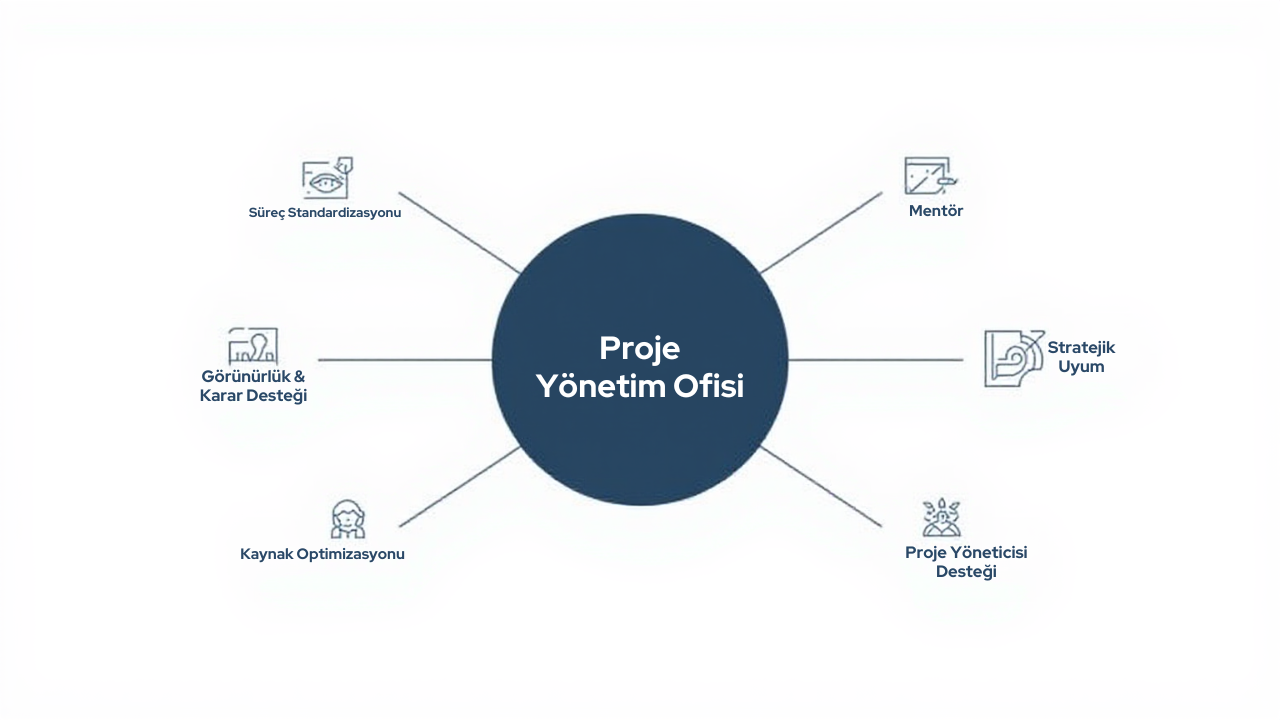
İlk ve en önemli katkı süreç standardizasyonudur. Her proje yöneticisinin kendi yöntemini kullandığı bir ortamda, projeler arasında kıyaslama yapmak neredeyse imkânsızdır. Ofis, ortak bir metodoloji oluşturarak projelerde tutarlılık sağlar. Bu da hem hızın artmasına hem de kalite seviyesinin yükselmesine katkı verir.
İkinci önemli katkı görünürlüktür. Üst yönetim, projelerde neler olup bittiğini net bir şekilde göremiyorsa sağlıklı karar alamaz. Proje Yönetim Ofisi, projelerin durumunu tek bir merkezden izler ve yönetime doğru, zamanında ve anlamlı bilgiler sunar. Bu sayede riskler erken fark edilir, maliyet sapmaları kontrol altına alınır ve önceliklendirme daha sağlıklı yapılır.
Bir diğer kritik katkı ise kaynak optimizasyonudur. Aynı anda çok sayıda proje yürütülen organizasyonlarda, insan kaynağı, zaman ve bütçe genellikle verimsiz kullanılır. Proje Yönetim Ofisi, hangi kaynağın hangi projede, ne zaman ve ne kadar süreyle çalışacağını planlayarak aşırı yüklenmenin önüne geçer. Sonuç olarak daha sürdürülebilir bir çalışma ortamı oluşur.
Proje Yönetim Ofisi Sadece Raporlama Birimi midir?
Hayır. Bu, Proje Yönetim Ofisi ile ilgili en yaygın yanlış algılardan biridir.
Ofis, proje yöneticileri için bir destek merkezidir. Metodoloji eğitimleri verir, şablonlar ve rehberler sunar, proje yönetimi araçlarının doğru kullanımını sağlar ve zorlanan proje yöneticilerine mentorluk yapar. Bazı organizasyonlarda Proje Yönetim Ofisi, proje yöneticilerinin atanmasında ve gelişim planlarının oluşturulmasında da aktif rol alır.
Yani bu yapı, sadece projeleri değil, proje yöneticilerini de güçlendiren bir mekanizma olarak çalışır.
Proje Yönetim Ofisleri Neden Başarısız Olur?
Birçok Proje Yönetim Ofisi, birkaç yıl içinde kapatılır ya da etkisiz hale gelir. Bunun en temel nedeni, kuruluş amacının net olmamasıdır. Ofisin neden var olduğu, hangi probleme çözüm ürettiği ve nasıl bir değer yaratacağı açıkça tanımlanmadığında, kısa sürede “rapor üreten bir sekreterya” olarak algılanmaya başlar.
Bir diğer önemli neden ise aşırı bürokrasidir. Proje Yönetim Ofisinin görevi insanları evrak altında boğmak değildir. Fazla süreç, fazla kontrol ve gereksiz formlar, bu yapıyı projelerin önünde bir engel haline getirir. Bu noktada proje ekipleri Ofise karşı direnç geliştirmeye başlar.
Başarılı Proje Yönetim Ofislerinin Ortak Özellikleri
Başarılı örneklere baktığımızda ortak bir tablo görürüz. Bu Proje Yönetim Ofisleri, organizasyonun gerçek ihtiyaçlarına göre tasarlanmıştır. Yalındır, esnektir ve değer üretmeye odaklanır.
Yönetimle güçlü ilişkiler kurar, proje ekiplerinin güvenini kazanır ve “zorunlu bir yapı” değil, gerçekten kullanılan bir araç haline gelir. Başarılı bir Ofis, projeleri kontrol eden değil, projelerin başarı şansını artıran bir iş ortağı gibi çalışır.
Sonuç: Proje Yönetim Ofisi Gerçekten Ne Değer Katar?
Proje Yönetim Ofisinin gerçek değeri, projeleri tek tek iyileştirmesinden değil, organizasyonun proje yapma biçimini dönüştürmesinden gelir. Doğru kurgulanmış bir Proje Yönetim Ofisi; daha iyi kararlar, daha verimli kaynak kullanımı ve daha yüksek proje başarısı demektir.
Bir sonraki yazıda, Proje Yönetim Ofisi türlerini ele alacağım. Destekleyici, kontrol edici, yönlendirici ve hibrit Ofis modellerinin nasıl çalıştığını ve hangi organizasyonlar için daha uygun olduğunu detaylıca inceleyeceğiz. Eğer Proje Yönetim Ofisi kurmayı düşünüyorsanız ya da mevcut yapıyı geliştirmek istiyorsanız bu seri size net bir yol haritası sunacaktır.
Son olarak, bu konuda hazırlamış olduğum ve sanal asistanım tarafından sunulan videoyu da aşağıda bulabilirsiniz. Umarım, beğenirsiniz.
Başarılı Projelerin Sırrı: Ekip Yönetimi, Paydaşlar ve Liderlik
Proje Yönetiminde Paydaşların Önemi
Proje Ekibi
“PMP Oldum Ama Yöneticim Beni Görmezden Geliyor” diyorsan…
Öncelikle, PMP sertifikasını alman çok büyük bir başarı. Zorlayıcı bir süreci tamamladın, profesyonel yetkinliğini uluslararası düzeyde kanıtladın. Ancak yöneticinin bu başarıyı görmezden gelmesi can sıkıcı olabilir — çünkü takdir beklemek insanidir. Bu durumla olgun, stratejik ve kendini yıpratmadan nasıl başa çıkabilirsin?
1. Gerçek Amacını Hatırla
PMP sertifikasını neden aldın?
* Daha yetkin bir profesyonel olmak için mi?
* Daha iyi projelere liderlik etmek için mi?
* Kendine yatırım yapmak için mi?
Bu başarıyı başkalarının takdirine değil, kendi gelişimine dayandırırsan duygusal olarak daha güçlü durursun. Yani: “Yöneticim takdir etmese de ben bu başarıyı hak ettim.”
2. Yöneticinin Tutumunu Anlamaya Çalış
Her görmezden gelme kötü niyetli olmayabilir. Şunları bir düşün:
* Başarıyı fark etti ama nasıl tepki vereceğini bilmiyor olabilir.
* Seni kaybetmekten korktuğu için duygularını bastırıyor olabilir.
* Kendisi PMP değilse, kıyaslama yapmamak için mesafe koyuyor olabilir.
Yani bu sessizlik bazen “küskünlük”, bazen de “korku” olabilir.
3. Dolaylı Bir Şekilde Gündeme Getir
Doğrudan “Neden tebrik etmediniz?” demek yerine, başarıyı doğal bir şekilde gündeme taşıyabilirsin:
“PMP sürecinde öğrendiğim bazı araçları önümüzdeki projede denemek isterim, örneğin risk değerlendirmede…” Bu tür cümleler hem başarıyı hatırlatır hem de yeni değer önerisi sunar.
4. Gelişim Talep Et (Gizli Terfi Girişimi)
Yöneticin görmese bile sen bu başarıyı pozisyona dönüştürmeye çalış:
“Artık projelerde daha fazla sorumluluk alabileceğimi düşünüyorum. PMP ile bazı alanlarda katkım olabilir, örneğin zaman planlama veya paydaş yönetimi gibi.”
Böylece hem takdiri tetiklersin, hem de yeni fırsatlar doğurursun.
5. Mentorluk Rolünü Üstlen
Senin başarın, diğer ekip üyeleri için de cesaret verici olabilir. PMP sürecini anlatan kısa bir paylaşım ya da iç eğitim öner:
“İsterseniz ekibe PMP süreciyle ilgili kısa bir bilgi paylaşımı yapabilirim. Faydalı olabilir.”
Bu, görünürlüğünü artırır ve yöneticinin seni “göz ardı edemeyeceği” bir pozisyona getirir.
6. İçsel Takdir Mekanizmanı Geliştir
Belki de artık dış takdir yerine iç takdirle yürümen gereken bir dönemdesin. Kendine şunu söyle:
“Görmese de fark etse de etmese de ben bu başarıyı kazandım. Bu artık benim kimliğimin bir parçası.”
Çünkü bazen sessizlik, bir terfiden daha sessizce gelir ama senin gelişimini durdurmamalıdır.
7. Gerekirse Alternatifleri Düşün
Eğer bu başarı görmezden geliniyor, katkın değer bulmuyorsa ve bu kronik bir hâl aldıysa, şunu düşün:
* Beni gören başka bir kurum ya da pozisyon var mı?
* Bu başarıyı daha iyi değerlendirebileceğim bir yer olabilir mi?
Bu başarı, yeni fırsatların kapısını açabilir.
Özet
* Kendi başarını içselleştir.
* Yöneticinin neden sessiz kaldığını analiz et.
* Başarıyı gündeme doğal şekilde taşı.
* Daha fazla sorumluluk talep et.
* Gerekirse yeni fırsatları düşün.
PMP Sertifikasının Diğer Sertifikalara Göre Önemi
Günümüz iş dünyasında proje yönetimi becerileri giderek daha fazla talep görmektedir. Şirketler, projelerini daha verimli yönetmek, bütçe ve zaman hedeflerine sadık kalmak ve riskleri minimize etmek için profesyonel proje yöneticilerine ihtiyaç duymaktadır. Bu noktada, Project Management Professional (PMP®) sertifikası, proje yönetimi alanında en prestijli ve global olarak en çok tanınan sertifikalardan biri olarak öne çıkmaktadır. Peki, PMP sertifikası neden diğer proje yönetimi sertifikalarına göre daha önemli bir yere sahiptir? İşte PMP sertifikasını öne çıkaran başlıca faktörler:
1. Global Tanınırlık ve Güvenilirlik
PMP sertifikası, Project Management Institute (PMI®) tarafından verilen ve dünya çapında tanınan bir sertifikadır. Dünya genelinde 1.5 milyondan fazla PMP sertifikalı profesyonel bulunmaktadır ve birçok uluslararası şirket, proje yöneticilerinde bu sertifikayı zorunlu bir kriter olarak görmektedir. PMP, ISO 9001:2015 sertifikasına sahip olup kalite standartlarına uygunluğu kanıtlanmış bir belgedir. Bu, PMP sertifikasının güvenilirliğini artıran önemli bir faktördür.
2. PMP, Pratik ve Kapsamlı Bir Çerçeve Sunar
PMP sertifikası, PMBOK® Guide (Project Management Body of Knowledge) temel alınarak oluşturulmuştur. PMP sınavı;
- Çevik (Agile), öngörücü (Predictive) ve hibrit proje yönetim metodolojilerini kapsar,
- En iyi uygulamaları ve gerçek hayatta uygulanabilir çözümleri öğretir,
- İletişim, liderlik, risk yönetimi, paydaş yönetimi ve stratejik uyum gibi alanlarda derinlemesine bilgi verir.
Bu kapsamlı yaklaşım, PMP’yi birçok spesifik ve dar kapsamlı proje yönetimi sertifikasından ayıran en büyük farklardan biridir.
3. PMP Sahiplerine Daha Yüksek Maaş ve İş Fırsatları
PMI tarafından yayınlanan Earnings Power: Project Management Salary Survey raporuna göre, PMP sertifikalı profesyoneller PMP’siz meslektaşlarına göre ortalama %20 daha yüksek maaş almaktadır. PMP sertifikası, kariyer ilerlemesini hızlandıran ve global pazarda rekabet avantajı sağlayan bir unsurdur. Özellikle büyük şirketlerde ve uluslararası organizasyonlarda proje yöneticileri için PMP sertifikasına sahip olmak, işe alım sürecinde önemli bir avantajdır.
4. PMP, Deneyim ve Uzmanlığı Kanıtlar
Diğer birçok sertifikadan farklı olarak PMP’ye sahip olabilmek için yalnızca sınavı geçmek yeterli değildir. PMP sertifikası almak için adayların;
- En az 36 ila 60 ay arasında proje yönetimi deneyimine sahip olması,
- 35 saatlik proje yönetimi eğitimi almış olması,
- Zorlu bir sınavı başarıyla tamamlamış olması gerekir.
Bu kriterler, PMP sertifikasının yalnızca teorik bilgiye değil, aynı zamanda gerçek dünya deneyimine dayandığını gösterir. PMP sertifikası, kişinin sadece metodolojileri bilmekle kalmayıp, bunları uygulama yetkinliğine sahip olduğunu da kanıtlar.
5. PMP, Proje Yönetimi Kariyerinde Sürekli Öğrenmeyi Destekler
PMP sertifikası alındıktan sonra, profesyonellerin her üç yılda bir 60 PDU (Professional Development Unit) toplamasıgerekmektedir. Bu, PMP sertifikalı kişilerin sürekli olarak proje yönetimi alanındaki yeni trendleri takip etmelerini ve kendilerini geliştirmelerini sağlar. PMP’nin sunduğu bu sürekli öğrenme gerekliliği, diğer birçok sertifikaya kıyasla onu daha dinamik ve güncel bir sertifika haline getirir.
Diğer Sertifikalar ile PMP’nin Karşılaştırılması
| Sertifika | Veren Kuruluş | Kapsam | PMP’ye Göre Farklılık |
|---|---|---|---|
| PMP (Project Management Professional) | PMI | Öngörücü, Çevik, Hibrit Proje Yönetimi | Küresel standart, en prestijli proje yönetimi sertifikası |
| CAPM (Certified Associate in Project Management) | PMI | Giriş seviyesi, temel bilgiler | PMP’nin daha az deneyim gerektiren versiyonu |
| PRINCE2 Practitioner | AXELOS | Süreç tabanlı proje yönetimi | Daha çok Avrupa ve İngiltere’de tercih edilir, PMP kadar geniş kapsamlı değildir |
| CSM (Certified Scrum Master) | Scrum Alliance | Çevik proje yönetimi (Scrum) | Sadece Scrum metodolojisine odaklanır, PMP kadar kapsamlı değildir |
| AgilePM | APMG International | Çevik proje yönetimi | PMP’nin çevik kapsamı kadar detaylı değildir |
Sonuç: PMP Neden Önemli?
PMP sertifikası, proje yönetimi alanında en kapsamlı, en çok talep edilen ve en prestijli sertifikalardan biridir. Küresel tanınırlığı, maaş avantajları, geniş metodoloji kapsamı ve sürekli gelişimi teşvik etmesi nedeniyle, proje yönetimi kariyerinde ilerlemek isteyen profesyoneller için büyük bir fark yaratır. PMP sertifikasına sahip olmak, yalnızca bir unvan değil, aynı zamanda proje yönetiminde ustalık ve liderlik anlamına gelir.
Eğer proje yönetimi alanında başarılı bir kariyer hedefliyorsanız, PMP sertifikası size global fırsatlar ve yüksek maaş avantajları sunan en güçlü araçlardan biri olacaktır.
PMP Sertifikasına en kısa sürede ulaşmak için İstanbul Kurumsal Gelişim’in her ay düzenli açtığı eğitimlere katılabilirsiniz. Detaylı bilgi için aşağıdaki linki takip edin.
PMP Questions (71-80)

Subscribe to continue reading
Become a paid subscriber to get access to the rest of this post and other exclusive content.
PMP Questions 41-50
Question 41
Who is accountable for the Product Backlog when it comes to content and order?
Erişim elde etmek için abone olun
Buna benzer içerikleri daha fazla okumak için bugün abone olun.
Question 42
A customer is requiring a minor scope change and expects you to do this without delays and additional costs. You believe that you have adequate authorization to make the decision by yourself, but you are not quite sure. What should be your next steps?
Erişim elde etmek için abone olun
Buna benzer içerikleri daha fazla okumak için bugün abone olun.
Question 43
In the middle of the project, your project sponsor has asked you, “What do we expect the total project cost, now?” Which of them should you use to answer?
Erişim elde etmek için abone olun
Buna benzer içerikleri daha fazla okumak için bugün abone olun.
Question 44
Which of the following qualities should a project manager prioritize when assessing the consistency and reproducibility of repeated measurements or actions within a project?
Erişim elde etmek için abone olun
Buna benzer içerikleri daha fazla okumak için bugün abone olun.
Question 45
David is a project manager working for a prominent book publishing company. As the most senior project manager within the organization, he often gets paired with strong- willed project sponsors. During a recent project meeting, David’s project sponsor began yelling in frustration at the project’s status, which was blocked because of a critical resource being out ill. In frustration, the sponsor began spewing profanities at David, questioning his ability to manage effectively. In response, David calmly assured the project sponsor that a contingency plan would be implemented and requested that they speak privately to address his frustrations. David then excused the rest of the project team. What core value did David uphold during the meeting?
Erişim elde etmek için abone olun
Buna benzer içerikleri daha fazla okumak için bugün abone olun.
Question 46
You took over a new project. The previous project manager completed some of the WBS. When you begin to define the project activities, you realize that the WBS work packages expected to occur in the next year are planned in detail, but the work packages for later in the future are not planned with much detail, if any detail at all. You determine:
Erişim elde etmek için abone olun
Buna benzer içerikleri daha fazla okumak için bugün abone olun.
Question 47
A new regulation requires consumer warnings on labels, but a company’s product package is too small to fit the added information. The regulatory specification does not provide a solution, so the agile team decides to solve the problem by displaying the information on a fold-out flap. The start of mass production of the new labels, the project’s next milestone, is scheduled to begin in five days. What should the agile team do next?
Erişim elde etmek için abone olun
Buna benzer içerikleri daha fazla okumak için bugün abone olun.
Question 48
In which of the following methods of resolving conflict, will the conflict typically reappear again?
Erişim elde etmek için abone olun
Buna benzer içerikleri daha fazla okumak için bugün abone olun.
Question 49
You are very interested in becoming a project manager. You have been mentored with other experienced project managers in your organization to learn more about how to be an effective project manager. You’ve been told your organizational skills and communication skills are excellent. However, you need some additional training in accounting and budgeting skills, because you are weak in these general management areas. The mentor who was honest enough to tell you this explained it which of the following ways?
Erişim elde etmek için abone olun
Buna benzer içerikleri daha fazla okumak için bugün abone olun.
Question 50
A project manager is preparing to send five engineers to Japan to install a high-security network. The engineers have never been outside of the United States before. Prior to their travel, the project manager asks the Japan-based manager to give the engineers an overview of their history, customs, and social norms. What is the primary objective of the project manager in this situation?
Erişim elde etmek için abone olun
Buna benzer içerikleri daha fazla okumak için bugün abone olun.
 Gökrem Tekir Blog Sayfası