
Product Owner’s Expertise

Dr. Jason Dworkin, Project Scientist by NASA Goddard Photo and Video is licensed under CC-BY 2.0

A product owner plays a critical role in ensuring that a project meets the needs of the customers and stakeholders. They are responsible for translating the customer’s needs into actionable tasks for the development team. In addition to this, the product owner must also ensure that the project stays within budget and meets the deadline.

While some may wonder whether having expertise in the subject matter of the project is necessary for the product owner, the answer is no. In fact, having someone too close to the subject matter can hinder the project’s progress. This is because they may get too invested in the details and lose sight of the bigger picture. However, it is still important for the product owner to have a basic understanding of the subject matter to communicate effectively with the team members and stakeholders.

On the other hand, a product owner who maintains a high-level view of the project can ensure that it meets the needs of the stakeholders. They also have the necessary communication skills to interact effectively with the team members and stakeholders. This includes the ability to listen actively, ask questions, and provide constructive feedback.

It is essential for the product owner to prioritize requirements effectively, which means they must have a deep understanding of the product vision. They should be able to identify the most critical requirements, allocate resources accordingly, and set achievable goals. In addition to this, the product owner should also be able to identify potential risks and develop contingency plans to mitigate them.

In conclusion, while subject matter expertise can come in handy, having a product owner who is too close to the subject matter can be a hindrance. Instead, a product owner should have strong communication skills, be able to prioritize effectively, and maintain a high-level view of the project. This will ensure that the project meets the needs of the customers and stakeholders and stays within budget and timeline.
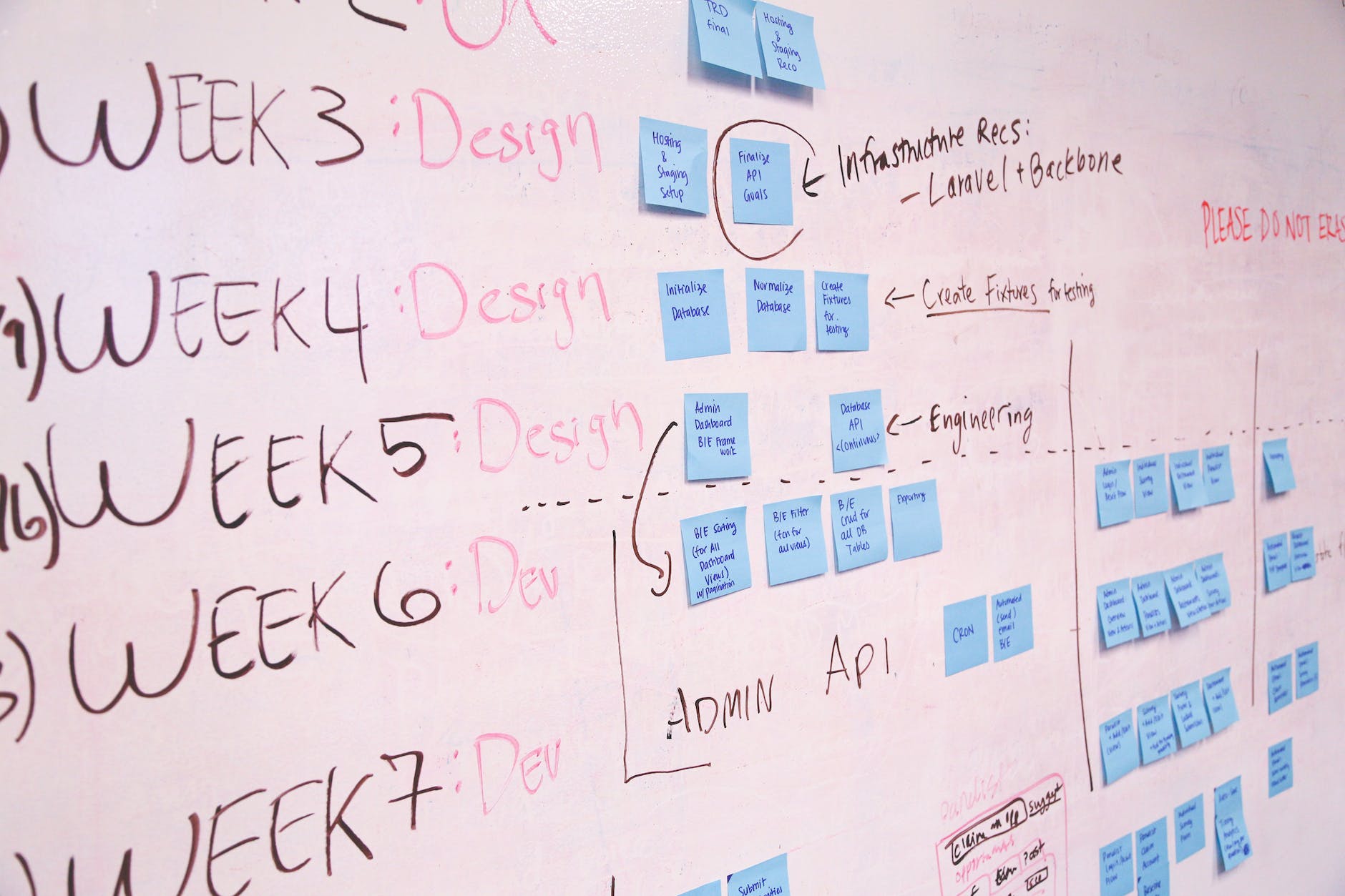

Product Backlog vs. Work Breakdown Structure

product backlog and scrum
Photo by Startup Stock Photos on Pexels.com

Product Backlog and Work Breakdown Structure (WBS) are two important planning tools used in project management. Although they are similar in some ways, they differ in their scope, purpose, and level of detail.

Product Backlog

A Product Backlog is a prioritized list of features or requirements that a team plans to deliver in a project. It is a dynamic document that is updated continuously throughout the project lifecycle. The Product Backlog is owned by the Product Owner, who is responsible for prioritizing the items based on their value to the customer.

The Product Backlog helps the team to understand and plan what they need to deliver. It is a high-level view of the project that provides a big picture of what the product will look like. The items in the Product Backlog are not broken down into smaller tasks.

Work Breakdown Structure (WBS)

A Work Breakdown Structure (WBS) is a hierarchical decomposition of the project deliverables into smaller, manageable components. The WBS breaks down the project into smaller, more manageable pieces that can be estimated and scheduled. Each component of the WBS is called a Work Package.

The WBS is a detailed view of the project and is used to plan and manage the project execution. It is owned by the Project Manager, who is responsible for ensuring that the project is completed on time, within budget, and meets the quality standards. The WBS includes all the tasks required to complete the project and is used to track progress and identify potential issues.

Differences

The main differences between Product Backlog and Work Breakdown Structure are:

  • Scope: Product Backlog focuses on the high-level view of the project, while WBS focuses on the detailed view of the project.
  • Purpose: Product Backlog is used to prioritize the features or requirements to be delivered, while WBS is used to plan and manage the project execution.
  • Level of Detail: Product Backlog does not break down the items into smaller tasks, while WBS breaks down the project into smaller, manageable components.

In conclusion, both Product Backlog and Work Breakdown Structure are important planning tools that are used in project management. While they have some similarities, they differ in their scope, purpose, and level of detail. Understanding these differences is crucial for effective project planning and execution.